Fllow Us :



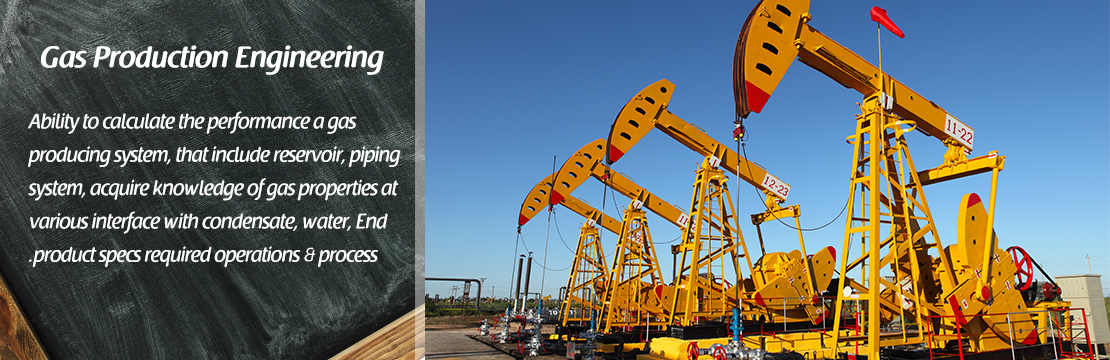
Sucker Rod Pump
Course Objectives:
By the end of this course, participants will be able to:
- Explain the fundamentals of artificial lift methods
- identify where sucker rod pumping fits among alternative techniques.
- Evaluate lease, well, reservoir, and equipment parameters to select the most suitable artificial lift method for a given well.
- Identify the main components of a sucker rod pumping installation, including the pumping unit, wellhead, polished rod, sucker rod string, and downhole pump.
- Classify API sucker rod pumps and recognize their parts, fittings, and applications.
- Design a sucker rod pump installation, including pump bore sizing, material selection, and rod string design.
- Interpret dynamometer cards and calculate key performance parameters: pumping speed, production rate, polished rod loads, rod stress, torque, and horsepower.
- Install, operate, and troubleshoot sucker rod pumps, applying corrosion inhibition practices and relevant safety procedures.
Course Outlines:
- Origin of petroleum
- Basic exploration
- Basic drilling and completion
- Basic production engineering
- The sucker rod pump
- The hydraulic pump
- The submersible pump
- Gas lift
- Free piston lift
- Lease considerations
- Well and reservoir analysis
- Equipment parameters
- Conclusion and method selection
- Background and history
- Principles of sucker rod pumping
- The pumping unit
- The wellhead
- The polished rod
- The sucker rod
- The sucker rod pump
- API pumps and API pump designations
- Tubing pumps
- Traveling barrel, bottom hold-down insert pumps
- Stationary barrel, bottom hold-down insert pumps
- Stationary barrel, top hold-down insert pumps
- Stationary barrel, top and bottom hold-down insert pumps
- Special pumps
- Pump parts and fittings:
- Barrel tubes
- Cages
- Plungers
- The Axelson "Ring Valve"
- Balls and seats
- Other fittings
- Well analysis and subsurface pump selection
- Analysis of the well
- Selecting the subsurface oil well pump
- Determining the pump bore size
- Choosing the pump type
- Selection of materials
- Beam pumping performance analysis
- The dynamometer card
- Determining favorable pumping speeds
- Establishing production rates
- Peak polished rod loads
- Maximum rod stress
- Minimum polished rod load
- Polished rod load range
- Peak torque
- Polished rod horsepower
- Rod string and installation design
- Pump and rod installation design
- Plunger slippage and fits
- Designing the sucker rod string
- Specific information required
- Sucker rod string design charts
- The rod string load ratio
- Sucker rod couplings and coupling displacement
- Operation, corrosion control, and troubleshooting
- The inhibitor program
- Installation, operating, and troubleshooting the pump
Who Can Benefit?
- Mechanical Technicians
- Engineers
- Maintenance Technicians
- Engineering Apprentices and Trainees, Graduate Engineers
Our Location Map
Call Us Now


